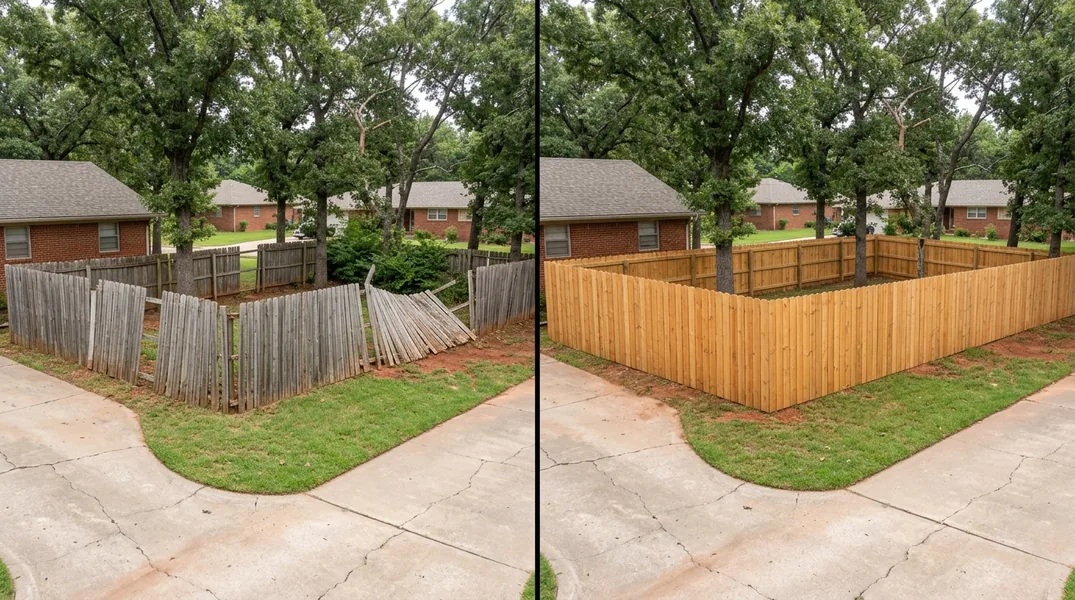
Why Your HOA Approval Matters Before Building a Fence
If you own a home in Broken Arrow, your homeowners association likely has specific rules about fence installation. Many homeowners in the Tulsa area don't realize that their HOA restrictions can significantly impact their fence project before they even break ground. Failing to get proper approval can result in fines, forced removal of your fence, or legal disputes with your HOA. That's why it's essential to have a conversation with your HOA before you commit to any fence installation plans.
The approval process exists to maintain property values and community aesthetics. Your HOA wants to ensure that any new fence complements the neighborhood's character and doesn't detract from curb appeal. By asking the right questions upfront, you'll save yourself time, money, and frustration down the road. Whether you're considering Wood & Privacy Fence Installation or exploring other options, understanding your HOA's stance is the first critical step in your project.
What Material Restrictions Does Your HOA Have?
One of the most important questions to ask your Broken Arrow HOA is which fence materials are permitted. Different HOAs have different preferences and restrictions. Some communities strictly prohibit certain materials, while others allow a wider range of options. Understanding the vinyl vs wood fence debate is particularly relevant because many HOAs have strong opinions about these two popular choices. Wood fences offer a classic, natural aesthetic that many homeowners love, but they require regular maintenance. Vinyl & PVC Fence Installation has become increasingly popular because it offers a cleaner, more modern look and requires minimal upkeep.
Some HOAs may require that fences match existing neighborhood styles or use specific colors and finishes. Others might prohibit vinyl entirely in favor of traditional wood, or vice versa. Ask your HOA for a written list of approved materials and any color restrictions. This will help you narrow down your options and ensure that whatever you choose will pass inspection. If you're unsure about the best fence material for your specific situation and HOA requirements, the team at Tulsa Fence Pros can help you navigate these decisions and recommend options that meet both your needs and your community's standards.
Understanding Height, Setback, and Placement Requirements
Height and placement restrictions are among the most commonly regulated aspects of fence installation. Your HOA likely has specific rules about how tall your fence can be, how far it must be set back from the property line, and where it can be positioned on your lot. These regulations exist to maintain sightlines, ensure safety, and preserve the neighborhood's open feel. In Tulsa neighborhoods, it's common to see restrictions limiting privacy fences to four to six feet in height, though some HOAs may allow taller fences in certain locations.
Ask your HOA for specific measurements and diagrams showing where your fence can be placed. Some communities prohibit fences in front yards entirely, while others allow them with restrictions. Setback requirements ensure that your fence doesn't encroach on common areas or neighboring properties. Understanding these rules before you start planning will prevent costly mistakes and design changes later. Make sure to ask whether these restrictions apply to all fence types or if different materials have different height allowances.
Vinyl vs Wood Fence Cost and Maintenance Considerations
When comparing vinyl vs wood fence cost, it's crucial to think beyond the initial installation expense. While wood fences typically have a lower upfront cost, they require ongoing maintenance like staining, sealing, and repairs. Vinyl fences cost more to install but offer what many homeowners consider the best low maintenance fence option available. Over a ten to fifteen year period, the total cost of ownership for vinyl and wood can be surprisingly similar, but the time and effort you invest differs dramatically.
Ask your HOA if they have any maintenance requirements for fences. Some communities require that wood fences be stained or sealed every few years to maintain appearance. Others may have specific expectations about how fences should look as they age. If your HOA is strict about maintenance standards, a low-maintenance vinyl fence might be the better choice despite higher initial pricing. Get a clear understanding of what your HOA expects in terms of upkeep and appearance over time. This information will help you make an informed decision about which material truly fits your budget and lifestyle. When you're ready to explore your options, Tulsa Fence Pros can provide detailed free estimate options for both wood and vinyl materials so you can compare costs accurately.
Do You Need Written Approval or an Architectural Review?
Most HOAs require some form of written approval before fence installation begins. Ask your HOA about their specific approval process. Some communities have an architectural review committee that must approve your fence plans before construction starts. Others simply require you to submit a form describing the fence type, height, color, and location. Understanding this process upfront will help you know what documentation to prepare and how long approval might take.
Request a copy of the approval form or application process from your HOA. Find out how long the review typically takes and whether there are any fees associated with the application. Some HOAs can approve fence projects within a few days, while others may take several weeks. Knowing this timeline helps you plan accordingly and avoid delays. Ask whether your HOA requires you to hire an insured contractor or if you can use any installer you choose. Some communities have preferred vendor lists, while others simply require that work be done professionally and safely. Getting these details in writing protects you and ensures your project stays on track.
Questions About Easements, Property Lines, and Neighboring Properties
Before any fence installation begins, your HOA can help clarify important details about your property boundaries and any easements that might affect your fence placement. Easements are areas where utility companies, the city, or other entities have the right to access your property for maintenance purposes. Installing a fence over an easement can create legal problems and may require removal if utilities need access. Ask your HOA if they have maps showing any easements on your property and where they're located.
Also discuss property line verification with your HOA. Fence disputes with neighbors often arise from unclear property boundaries. Ask your HOA if they require a professional survey before fence installation or if they can point you toward resources for determining your exact property lines. Some HOAs even maintain plat maps that show all property boundaries clearly. Additionally, ask whether your HOA has any rules about neighbor notification or consent before you install a fence. Even if your HOA doesn't require it, notifying neighbors of your plans is a courteous practice that can prevent future conflicts. When you're ready to move forward with your project, the professionals at Tulsa Fence Pros can coordinate with your HOA and ensure all requirements are met. Call (918) 359-6903 to discuss your specific situation and get started on the right foot.
Looking for a professional tree service in Tulsa? Tulsa Fence Pros responds fast for all your fence needs.
Get a Free Quote